
Mechanical parts
Degreasing bearings, valves, accessories, housings, and components contaminated with oil, grease, or fuel.

OIL, GAS & FUELING SOLUTIONS
Solutions for grease, hydrocarbons, sediment, rust, and scale in terminals, workshops, dispensing systems, and fueling facilities.
TECHNICAL CLEANING
Grease, diesel, lubricants, sludge, sediment, rust, and scale can coexist on equipment and components. Effective programs combine chemical selection, material compatibility, application method, and technical follow-up.
APPLICATIONS
Quimelia's technical experience with hydrocarbon-exposed assets allows cleaning to be structured around the problem, material, and criticality.
Degreasing bearings, valves, accessories, housings, and components contaminated with oil, grease, or fuel.
Controlled removal of sediment, adhered hydrocarbons, and residues in removable components.
Exterior cleaning of engines, pumps, and auxiliary systems exposed to grease and fuel particles.
Acid treatments for oxides, mineral deposits, and corrosion residues, subject to substrate compatibility.
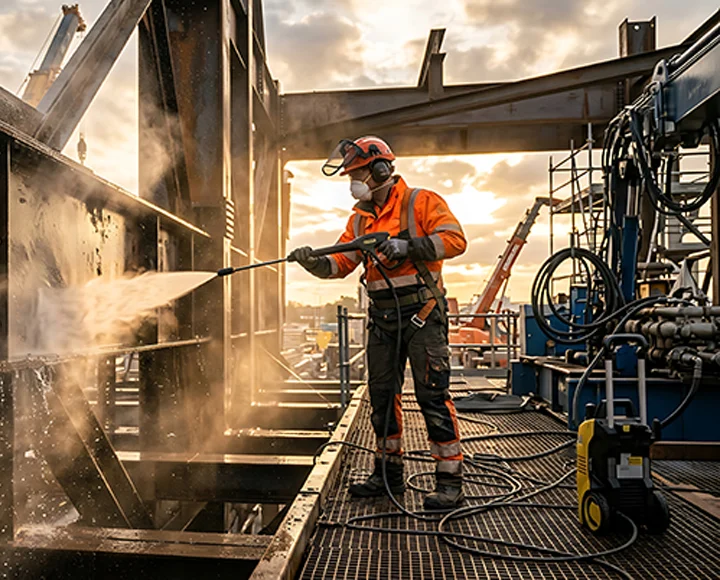
REDUCING RELIANCE ON HYDROCARBON SOLVENTS
Modern industrial cleaning can use aqueous systems with surfactants and dispersing agents to lift and emulsify oily contamination, reducing the need to use fuels or hydrocarbon solvents as cleaning agents.
FUELING FACILITIES
Forecourts, dispensers, floors, and maintenance areas need to remove oil, grease, diesel, and grime without simply transferring the contamination into drainage systems.
Low-foam or controlled-rinse solutions for oily soil on compatible surfaces.
Cleaning housings, bases, cabinets, and service areas while avoiding excessively aggressive chemistry on paint, decals, or finishes.
Cleaning should be integrated with site environmental procedures, spill containment, and available separation or recovery systems.
ECOCID BA
Ecocid BA is a concentrated acidic formulation developed to remove rust, mineral scale, and corrosion residues from compatible metals. Quimelia technical documentation contemplates use on carbon steel, stainless steel, cast iron, and bronze after validating material, concentration, contact time, and method.
Supports recovery of metal surfaces affected by surface corrosion.
Targets mineral deposits and alkaline salts.
Can follow degreasing when organic and inorganic contamination coexist.
Compatibility is checked before application, contact, and mechanical action are defined.
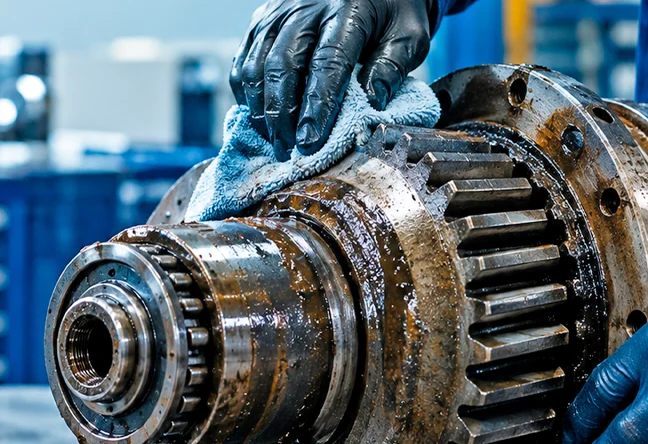
RESPONSIBLE ACID CHEMISTRY
In industrial applications, organic acids such as citric and glycolic acid are used for rust, mineral scale, and passivation in selected systems because they can offer different corrosion and handling profiles than more aggressive mineral acids. This does not mean every acidic formulation is equivalent: selection depends on the metal, contaminant, and process.
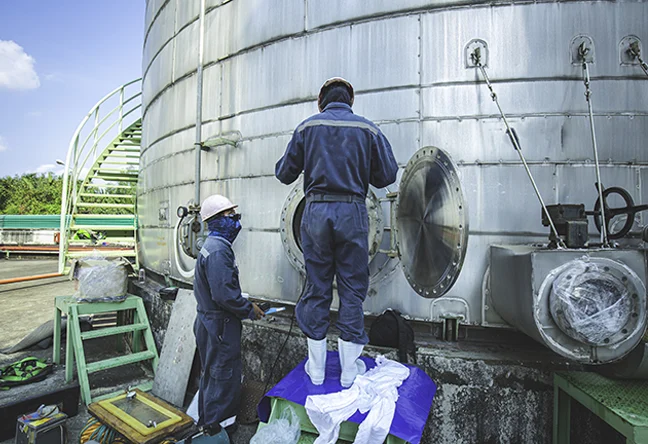
APPLIED EXPERIENCE
Quimelia has carried out field and laboratory evaluations on cast iron, stainless steel, and bronze components exposed to grease, hydrocarbons, sediment, and corrosion. These experiences support a methodology based on staged degreasing, deoxidizing, controlled mechanical action, rinsing, and compatibility review.
QUIMELIA SOLUTIONS
Final selection should be based on the contaminant, material, procedure, and current technical information.
Biodegradable aqueous formulation for difficult grease derived from hydrocarbons.
View technical information → HydrocarbonsBiodegradable automotive detergent for degreasing engines and compatible surfaces.
View technical information → DeoxidizingConcentrated descaler and deoxidizer for non-sensitive metals and stainless steel.
View technical information → ScaleBiodegradable alternative for limescale, calcium salts, oxides, and deposits.
View technical information →EFFICIENCY AND RESPONSIBILITY
Improvement is not simply replacing one chemical with another. The goal is to define dosing, application, compatibility, residue recovery, and maintenance frequency so that cleaning becomes part of operational control.
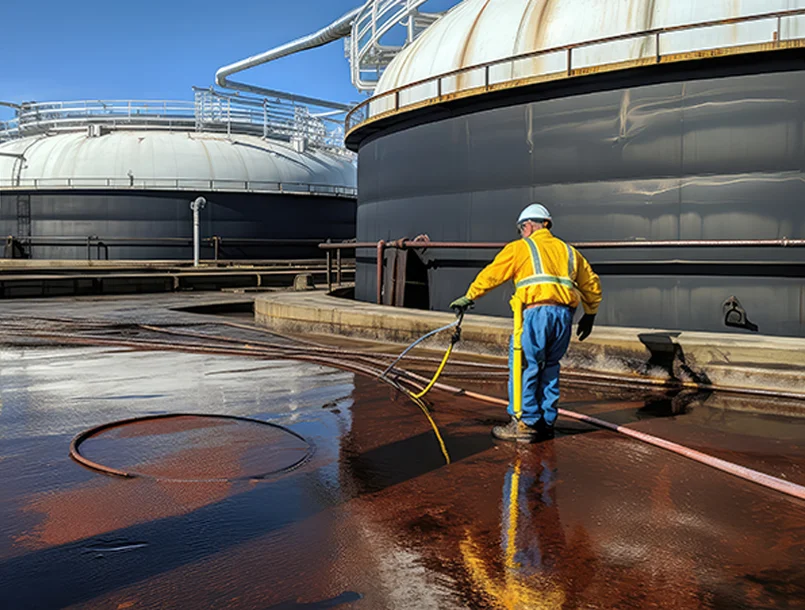
Dilutions, contact times, compatibility with elastomers, metals, and coatings, as well as containment and waste-disposal methods, should be defined through technical assessment and according to each facility's safety and environmental procedures.
LET'S TALK ABOUT YOUR OPERATION